Wine Monogram: A Unique Design for Personalization and Craft Projects
For those looking to add a personal touch to their craft projects, Wine Monogram stands out as a versatile design option. Whether you're creating custom labels, personalized gifts, or decorative elements, the monogram format offers a way to express individuality through typography. This article explores what Wine Monogram is, how it compares to similar options, and why it might be the right choice for your next project.
Understanding Wine Monogram
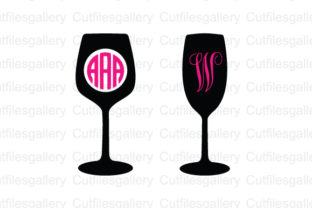
Wine Monogram refers to a stylized lettering design that combines the aesthetics of wine-related motifs with traditional monogramming techniques. It typically features elegant script fonts paired with subtle wine-related symbols such as grapevines, corks, or wine bottles. These elements are often incorporated into the design to create a visually appealing and thematic monogram.
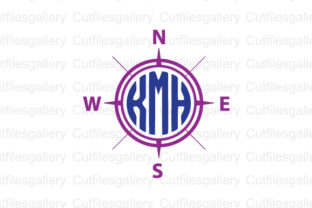
Unlike standard monograms, which usually consist of three letters arranged in a circular or triangular formation, Wine Monogram adds an extra layer of meaning and style. The result is a design that not only looks sophisticated but also tells a story—perfect for weddings, anniversaries, or branding efforts tied to the wine industry.
What Makes Wine Monogram Stand Out?
The distinctiveness of Wine Monogram lies in its blend of elegance and thematic relevance. It offers a unique visual identity that can be tailored to suit various purposes, from wedding invitations to custom bottle labels. Here are some key factors that set Wine Monogram apart:
- Thematic Relevance: Ideal for those in the wine industry or those who want to incorporate a wine theme into their designs.
- Customizability: Available in multiple formats, allowing users to choose the best option for their project.
- Visual Appeal: Combines classic monogramming with modern design elements for a refined look.
- Flexibility: Can be adapted for both personal and commercial use, depending on the licensing terms.
Comparing Wine Monogram with Similar Options
While Wine Monogram has its own unique appeal, it's important to consider other design options available in the market. Here's how it stacks up against similar choices:
Standard Monograms
Standard monograms are the most common type, typically consisting of three letters arranged in a specific pattern. They are widely used for branding, stationery, and personal items. While they offer simplicity and versatility, they lack the thematic depth that Wine Monogram provides.
If your goal is to create a simple, recognizable logo or label, standard monograms may be sufficient. However, if you're looking for something more expressive and meaningful, Wine Monogram could be a better fit.
Custom Lettering Services
Many designers and print shops offer custom lettering services, allowing clients to create bespoke monograms based on their preferences. This approach offers greater flexibility but can be more expensive and time-consuming compared to using pre-designed templates like Wine Monogram.
Wine Monogram provides a cost-effective alternative for those who want a professionally designed monogram without the hassle of hiring a designer. It’s particularly useful for small businesses or individuals who need quick access to high-quality design assets.
Formats and Tools for Wine Monogram
To make the most of Wine Monogram, it's essential to understand the different file formats and tools available. The download includes SVG, DXF, and PNG files, each suited for different applications:
- SVG (Scalable Vector Graphics): Best for digital use, such as website graphics or printable materials. SVG files maintain quality at any size, making them ideal for both online and offline projects.
- DXF (Drawing Exchange Format): Commonly used in CAD software, DXF files are perfect for those working with precision tools like Silhouette Cameo or Cricut. They allow for detailed editing and customization.
- PNG (Portable Network Graphics): Great for web use and social media. PNG files support transparency, making them suitable for overlays and digital backgrounds.
These formats ensure that Wine Monogram can be used across a variety of platforms and devices, offering flexibility in how you incorporate the design into your projects.
Strengths and Limitations of Wine Monogram
Like any design option, Wine Monogram has its strengths and limitations. Understanding these can help you decide whether it's the right choice for your needs:
Strengths
- Thematic Depth: Adds a meaningful element to your design, especially for wine-related projects.
- Professional Quality: The design is polished and ready to use, saving time and effort.
- Easy Access: Available in multiple formats, making it accessible for both beginners and experienced users.
Limitations
- Font Not Included: The monogram font is not provided, so users must source it separately.
- Design Flexibility: While customizable, the design is fixed in structure, limiting the extent of modifications.
- Use Case Specificity: May not be suitable for all industries or projects outside of wine-related themes.
When to Choose Wine Monogram
Wine Monogram is an excellent choice when you want to add a thematic and stylish element to your design. It's particularly well-suited for the following scenarios:
- Wedding Invitations: A wine-themed monogram can enhance the elegance of your event materials.
- Custom Bottle Labels: Perfect for wineries or individuals looking to brand their own wine products.
- Personalized Gifts: Use it for engraved jewelry, name tags, or decorative items that reflect a love for wine.
- Branding Materials: Businesses in the hospitality or beverage industry can benefit from a cohesive, themed design.
However, if your project requires a more neutral or generic design, or if you need full control over every aspect of the font and layout, you may want to explore other options.
Conclusion
Wine Monogram offers a unique and elegant solution for those looking to personalize their projects with a thematic twist. Its combination of style, flexibility, and accessibility makes it a valuable resource for both personal and professional use. By understanding its strengths, limitations, and appropriate use cases, you can make an informed decision about whether it's the right choice for your next creative endeavor.