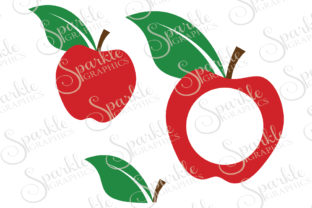
Apple Monogram Frames Cut Files: A Practical Guide for Design and Craft Projects
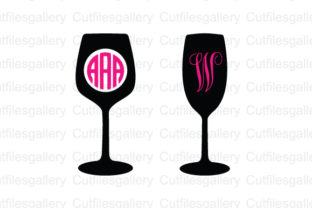
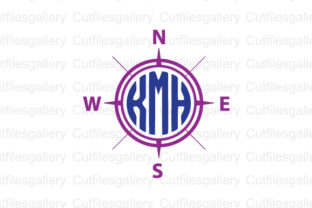
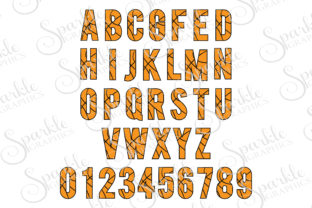
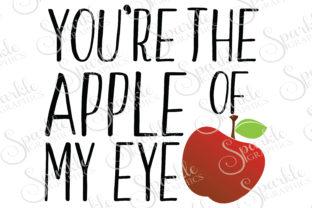
For designers, crafters, and creators looking to add a personalized touch to their projects, Apple Monogram Frames Cut Files offer a versatile and efficient solution. These files come in a zipped folder containing 3 SVG, 3 DXF, 3 EPS, and 3 PNG formats, making them compatible with popular cutting machines like the Silhouette Basic Designer and Cricut Design Space. Whether you're working on custom gift packaging, branding materials, or decorative elements, these frames can be integrated seamlessly into your workflow.
Understanding the File Structure and Compatibility
The Apple Monogram Frames Cut Files are designed with versatility in mind. The inclusion of multiple file types ensures compatibility across various design software and cutting platforms. SVG files are ideal for vector-based editing, while DXF and EPS formats work well with CAD and illustration tools. PNG files provide high-quality raster images that can be used for print or digital applications.
Before using these files, it's important to verify that your design software supports the selected format. For instance, if you're using Cricut Design Space, importing an SVG file will allow you to adjust the frame size, position, and other properties without losing quality. Similarly, Silhouette Studio users can leverage the DXF format for precise cutting paths and layer management.
Integrating Into Your Creative Workflow
These cut files are not just standalone assets—they are part of a broader creative process. Depending on your project phase, they can be used before, during, or after other tasks. For example, when designing custom gift tags or wedding invitations, the monogram frame can serve as a foundational element. You might start by sketching the layout, then use the frame to define the visual structure, and finally refine details such as text placement and color schemes.
During the execution phase, the frame acts as a guide for both design and production. If you're creating a series of promotional materials, the consistency provided by the frame helps maintain brand identity across all pieces. This is especially useful for small businesses or entrepreneurs who need to ensure uniformity in their marketing collateral.
After the project is completed, the frame can be archived for future use. Storing these files in an organized folder system allows for quick access when similar projects arise. This practice saves time and reduces the risk of repeating design work from scratch.
Practical Use Cases and Implementation Tips
The Apple Monogram Frames Cut Files are particularly useful in scenarios where personalization is key. Consider a scenario where you're creating custom notebooks for a boutique store. By incorporating a monogrammed frame into each notebook cover, you can enhance the perceived value of the product while maintaining a cohesive design language.
Another common use case involves crafting personalized stationery or greeting cards. The frame can be used as a background element, allowing the text to stand out against a visually appealing backdrop. When working with multiple clients, having a consistent frame design ensures that each piece maintains a professional appearance.
When implementing these files, consider the following tips:
- Test the file compatibility with your preferred software to avoid any unexpected issues.
- Adjust the scale based on the material you're using—some papers or fabrics may require resizing for optimal results.
- Use layers in your design software to separate the frame from other elements, making it easier to edit or move as needed.
- Save a backup of your original files to prevent data loss during the cutting process.
Working with Other Tools and Resources
The true power of Apple Monogram Frames Cut Files lies in their ability to integrate with other design and productivity tools. For instance, if you're using Adobe Illustrator or InDesign, you can import the frame as a vector shape and combine it with text, images, or other graphics to create a complete design.
Additionally, these files can be paired with templates or pre-designed layouts to streamline the creative process. Many designers use a combination of cut files and ready-made templates to save time while still achieving a customized look. This approach is especially beneficial for those who frequently work on similar types of projects.
When working with multiple tools, it's essential to maintain consistency in file naming and organization. Creating a dedicated folder for each project or client helps keep everything structured and accessible. This practice also makes it easier to track changes and revisions over time.
Quality Control and Long-Term Use
Ensuring the quality of your final output depends on how well you manage the cut files throughout the process. High-resolution files are crucial for printing, especially when working with detailed designs or fine text. Always check that the frame is clear and well-defined before proceeding with the cutting or printing stage.
For long-term use, consider creating a library of frequently used frames and designs. This way, you can quickly access the right file when needed, reducing the time spent searching through your digital workspace. Additionally, keeping a record of which files were used for specific projects can help with future reference and planning.
Regularly updating your file collection with new frames or variations ensures that your creative toolkit remains fresh and relevant. This is particularly important in fast-paced industries where trends and customer preferences change rapidly.
Conclusion
Apple Monogram Frames Cut Files are more than just design assets—they are a valuable component of a well-structured creative workflow. Whether you're a professional designer, a hobbyist, or a small business owner, integrating these files into your process can significantly enhance efficiency, consistency, and overall quality. By understanding how to use them effectively, you can unlock new possibilities in your design projects and achieve better results with less effort.