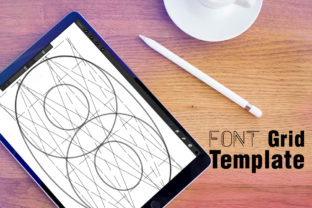
Font Grid Template: A Powerful Tool for Designing Letters and Numbers
The Font Grid Template is a versatile resource that simplifies the process of creating custom letters, numbers, and symbols. Whether you're a designer, educator, or hobbyist, this tool can significantly enhance your workflow by providing structured guidelines for typography. With its intuitive layout and multiple file formats—EPS, PNG, JPG, PSD, and AI—it caters to both beginners and professionals across various design fields.
Why Use a Font Grid Template?
A Font Grid Template offers a visual framework that helps maintain consistency in letterforms and spacing. This is especially important when designing fonts from scratch or modifying existing ones. By aligning elements within a grid, designers can ensure uniformity, readability, and aesthetic appeal. For instance, using a grid helps maintain proper ascender and descender heights, which are crucial for professional-looking text.
Additionally, the availability of multiple file types makes it easier to integrate the template into different software platforms. Whether you're working in Adobe Illustrator, Photoshop, or even free design tools, having access to EPS, PNG, and AI files ensures compatibility and flexibility.
Common Mistakes When Using Font Grid Templates
While the Font Grid Template is a valuable asset, users often make mistakes that can hinder their progress. One common error is not selecting the right grid size for the project. For example, using a small grid for large-scale typography may result in distorted letterforms, while an overly large grid can make fine adjustments difficult.
Another mistake is ignoring the importance of alignment. Even with a grid, misaligned elements can lead to unprofessional results. It's essential to double-check each letter’s placement against the grid lines before finalizing the design.
Some users also overlook the need for customization. While the template provides a solid foundation, it shouldn't be used as-is without adjustments. Each font has unique characteristics, and adapting the grid to suit specific styles or scripts is key to achieving quality output.
How These Mistakes Affect Your Work
Misusing a Font Grid Template can lead to several issues. Poor alignment and inconsistent sizing may result in low-quality typography that fails to meet professional standards. Inconsistent letterforms can also affect readability, which is particularly critical in marketing materials, branding, or educational content.
Ignoring customization needs can limit creativity and prevent the design from standing out. Moreover, using the wrong file format can cause compatibility problems, leading to wasted time and effort during the design process.
Practical Tips for Using Font Grid Templates Effectively
To maximize the benefits of a Font Grid Template, start by understanding your project requirements. Determine the scale, style, and purpose of your typography. This will help you choose the most suitable grid size and format.
Next, take advantage of the grid lines to guide your design. Use them as references for spacing, proportions, and alignment. However, don’t rely solely on the grid; allow room for creative freedom where necessary.
When working with multiple file types, consider the intended use of each. For example, EPS and AI files are ideal for vector-based editing, while PNG and JPG are better suited for web and print use. Always check the resolution and compatibility before finalizing your work.
Realistic Examples and Better Approaches
Imagine you're designing a logo for a new brand. Using a Font Grid Template with a 10x10 grid can help you create consistent letterforms that match the brand’s identity. However, if you’re aiming for a more stylized look, you might opt for a less rigid grid or even customize the template to reflect the brand’s personality.
Another example is when creating educational materials. A clear, well-structured grid ensures that students can easily read and understand the text. In contrast, a poorly aligned grid could confuse learners and reduce the effectiveness of the material.
What to Check Before Using a Font Grid Template
Before incorporating a Font Grid Template into your workflow, there are a few key factors to consider. First, verify that the template supports the file formats you need. If you're working in a specific design software, ensure the chosen format is compatible.
Second, assess the level of customization available. Some templates offer limited options, while others allow for greater flexibility. Choose one that aligns with your design goals and skill level.
Lastly, review the template’s documentation or user reviews to understand its strengths and limitations. This will help you avoid common pitfalls and make informed decisions about its use.
Conclusion
The Font Grid Template is a powerful tool that can streamline the process of creating custom typography. By understanding its features, avoiding common mistakes, and following practical tips, you can achieve professional-quality results. Whether you're a beginner or an experienced designer, leveraging this resource effectively can enhance your workflow and elevate your designs to the next level.